Outdoor Living, Elevated: Designing Beautiful Spaces for Spring
As the seasons shift, so does the way we live in our homes. Spring invites us outdoors, not just to enjoy the weather, but to extend how we gather, relax, and entertain.
When thoughtfully designed, outdoor spaces become more than an afterthought. They function as true extensions of the home, layered with intention and shaped by the way we want to live.
Here are five elements that help define outdoor spaces that feel both refined and enduring.
1. Create Defined Outdoor Zones
The most successful outdoor spaces are designed with intention, not just placement.
Even in smaller settings, defining zones creates structure and flow. A seating area for conversation, a table for dining, or a quiet corner for morning coffee can each serve a distinct purpose while still contributing to a cohesive whole.
These zones do not need to feel rigid. Subtle shifts, such as an outdoor rug, a change in material underfoot, or a variation in furniture scale, can naturally guide how the space is used.
When each area has a role, the entire space feels more considered and effortless.
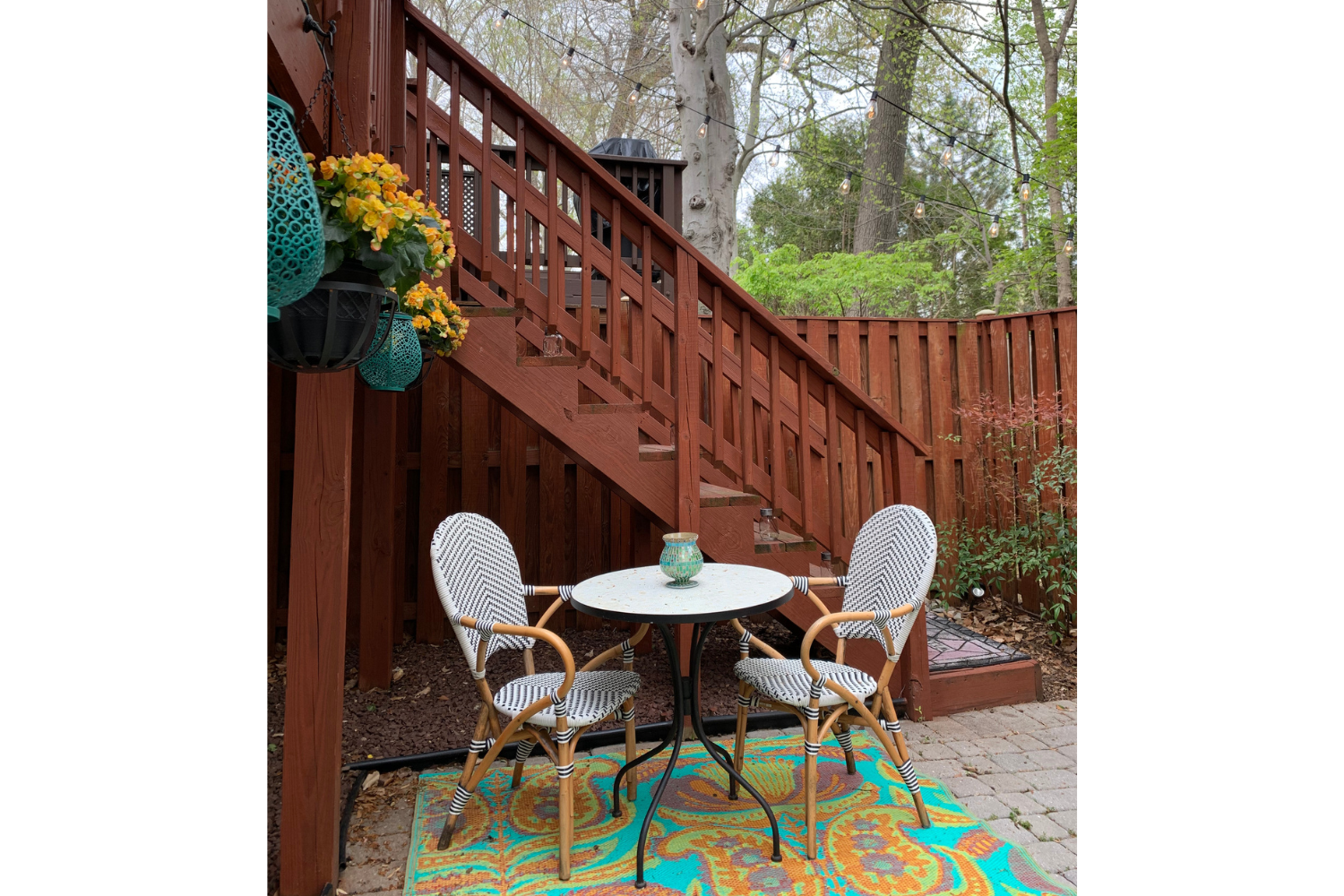
A small outdoor nook can become a beautifully defined space for gathering or quiet retreat
Design and photo by House of Shima
2. Create Comfort Through Layering
The difference between a simple patio and a truly inviting outdoor space often comes down to one mindset: treating it as an extension of the interior.
Layer in elements you would naturally use indoors, including textiles, lighting, and thoughtful accessories. These softer details help create spaces that feel comfortable, intentional, and lived in.
Comfort, of course, extends beyond furnishings alone. Details such as ambient lighting, fans, or subtle strategies for keeping insects at bay (from citronella candles to more discreet tabletop solutions) can make the space feel more welcoming and usable well into the evening.
Side tables, lanterns, and sculptural accents help create moments of interest without overwhelming the space. The goal is not to over-style, but to compose with intention.
When outdoor spaces are approached this way, they invite people to settle in rather than simply pass through.
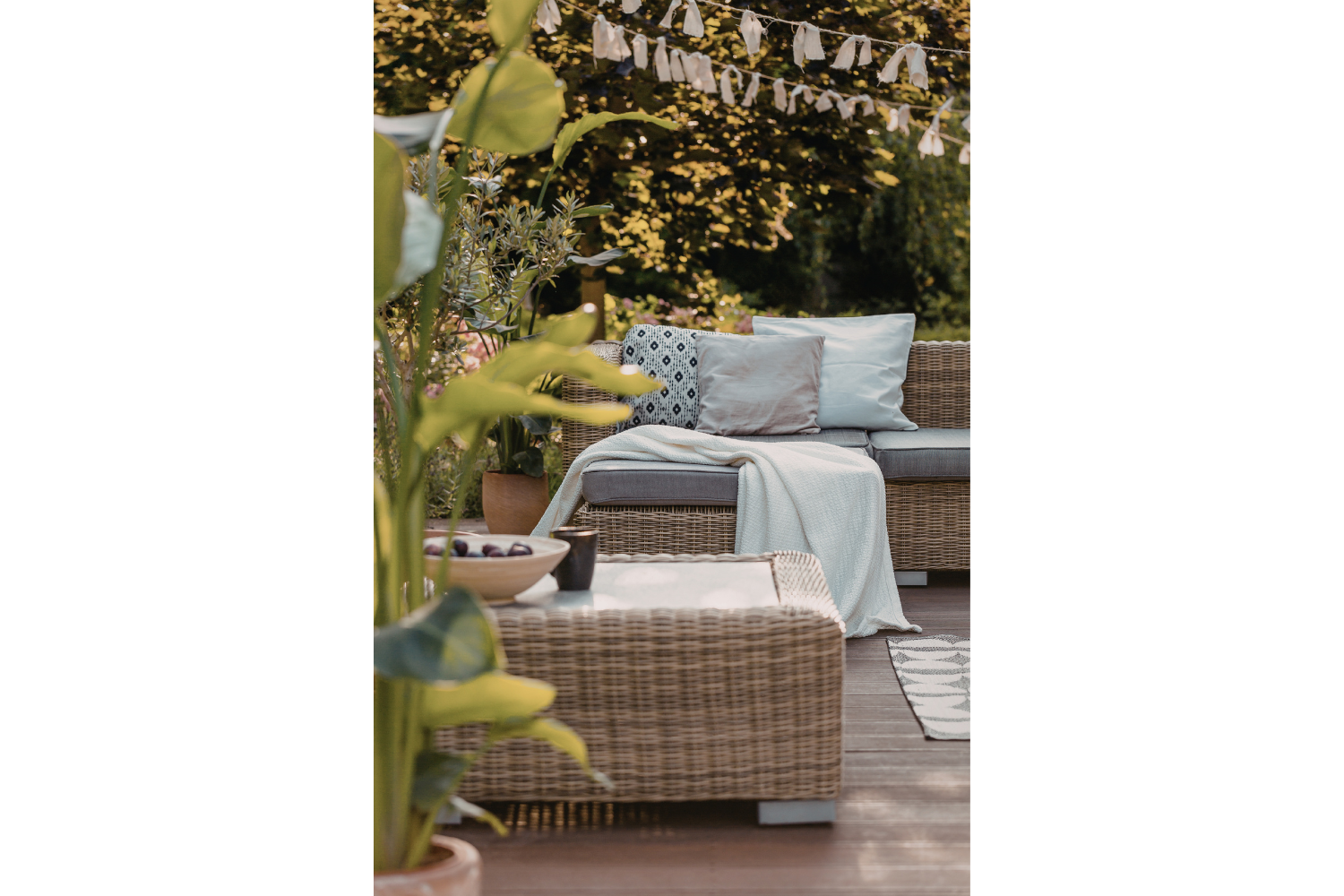
A warm, layered outdoor space designed for spring living
Source unknown
3. Incorporate Shade as a Design Element
Shade is often approached as a necessity, but it can also become one of the most defining visual features of an outdoor space.
Pergolas, umbrellas, and covered structures introduce height and softness while shaping how light moves throughout the day. Drapery panels or climbing greenery can further soften these elements, adding a sense of movement and refinement.
Beyond visual impact, thoughtful shade makes outdoor spaces far more livable, allowing guests to linger longer and enjoy the space more comfortably on warm days.
Rather than treating shade as purely functional, consider how it contributes to the overall atmosphere.
Filtered light, layered overhead elements, and moments of shadow create a setting that feels composed, intentional, and inviting.
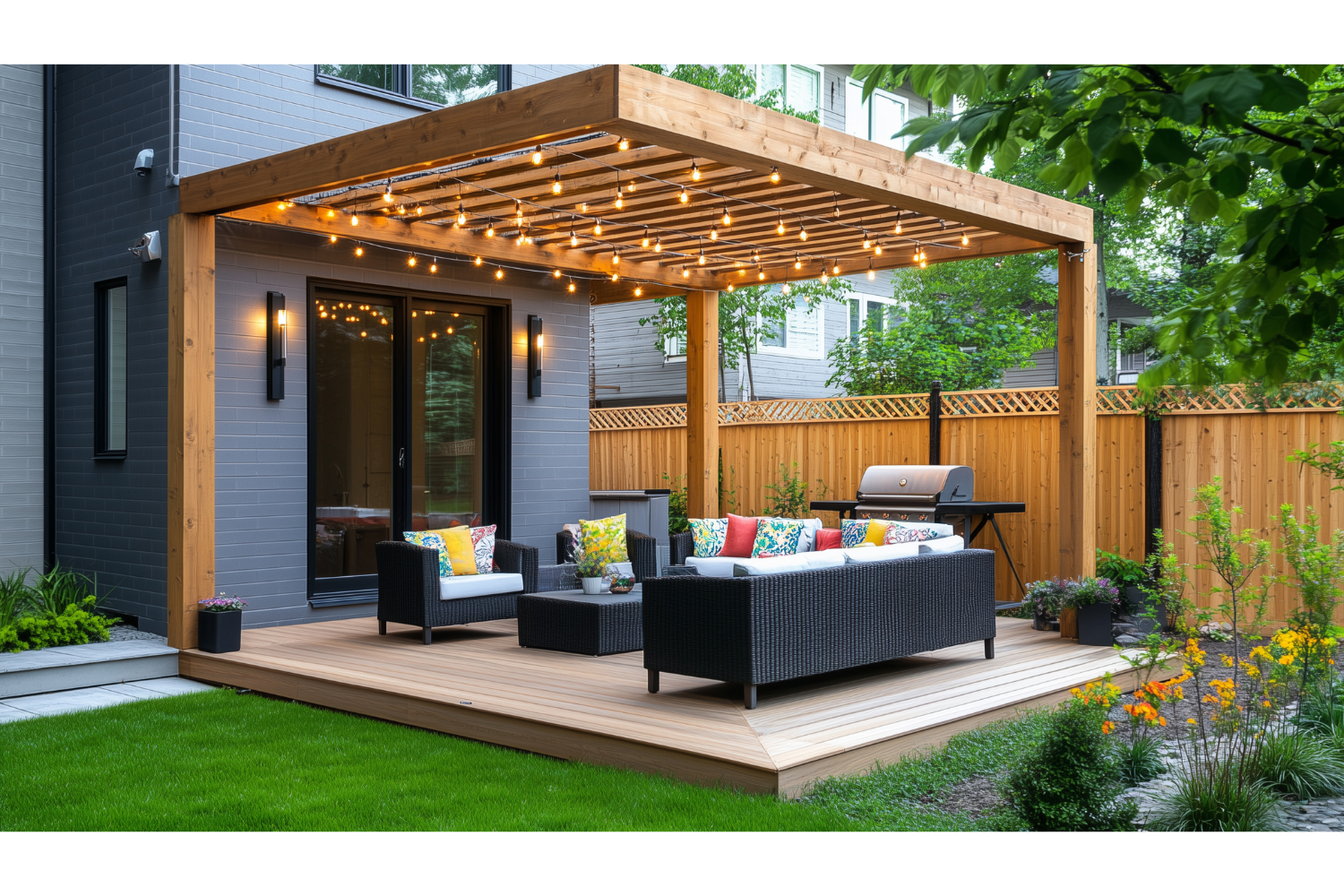
Shade structures shape both the atmosphere and comfort of an outdoor space
Source unknown
4. Choose Materials That Age Beautifully
Outdoor spaces are defined as much by their materials as their layout.
Softness matters just as much outdoors as it does inside. Performance fabrics, outdoor upholstery, and weather-resistant textiles bring comfort, texture, and visual richness while offering the durability required for everyday living.
The goal is to select finishes and fabrics that not only complement the home’s interior palette, but also respond gracefully to the elements.
When chosen thoughtfully, these materials help the space remain beautiful, lived-in, and relevant over time.
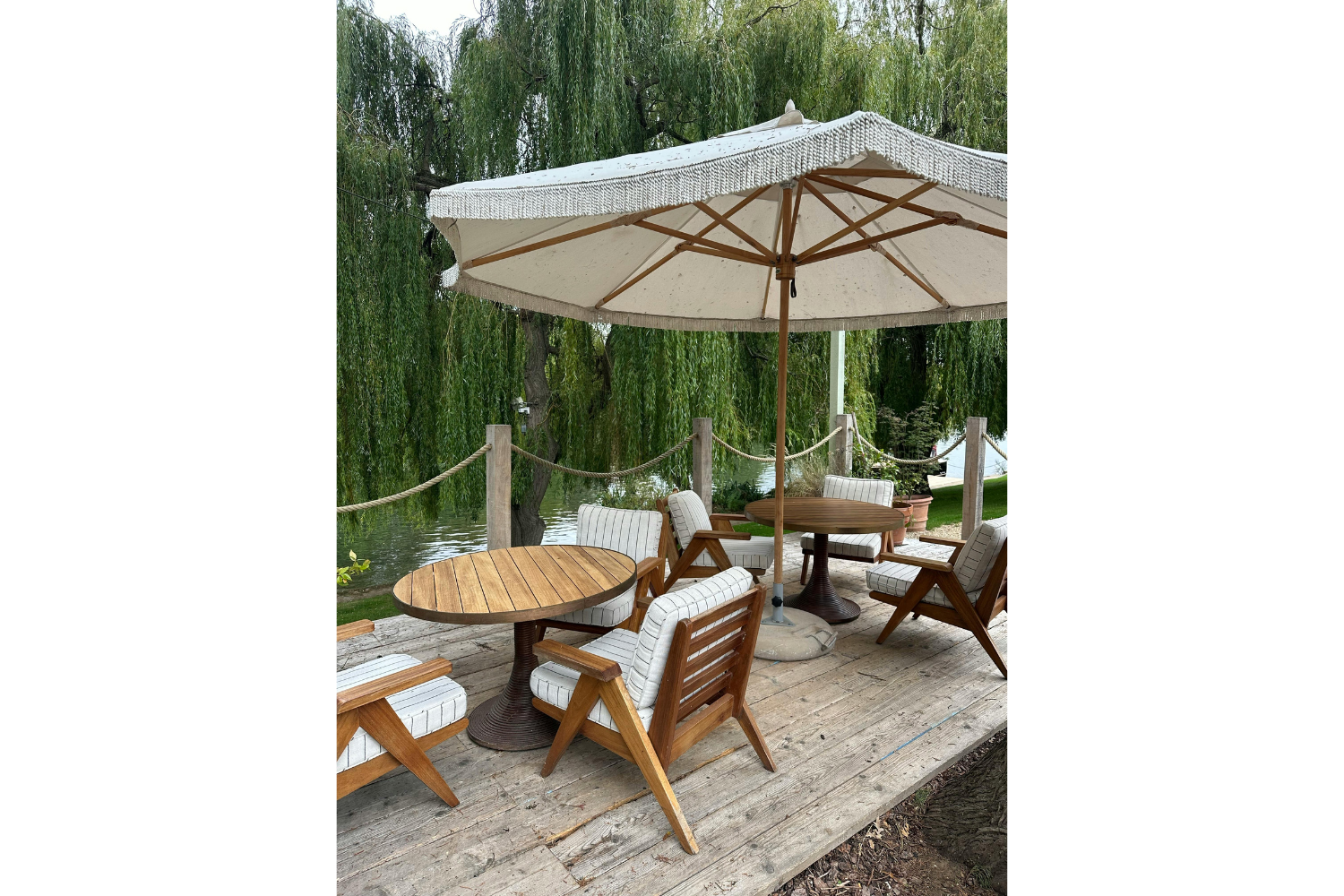
Weather-resistant fabrics and tactile finishes bring both softness and durability outdoors
Source unknown
5. Protect What You Invest In
A well-designed outdoor space should be considered beyond a single season.
Longevity comes not only from the materials selected, but from how those materials are cared for over time. Well-fitted protective covers, discreet storage solutions, and thoughtful handling of cushions and soft furnishings help preserve both the appearance and performance of each piece.
The most successful outdoor spaces are not only beautiful in season, but thoughtfully maintained beyond it.
When care is built into the design, the space remains as refined and inviting as the day it was completed.
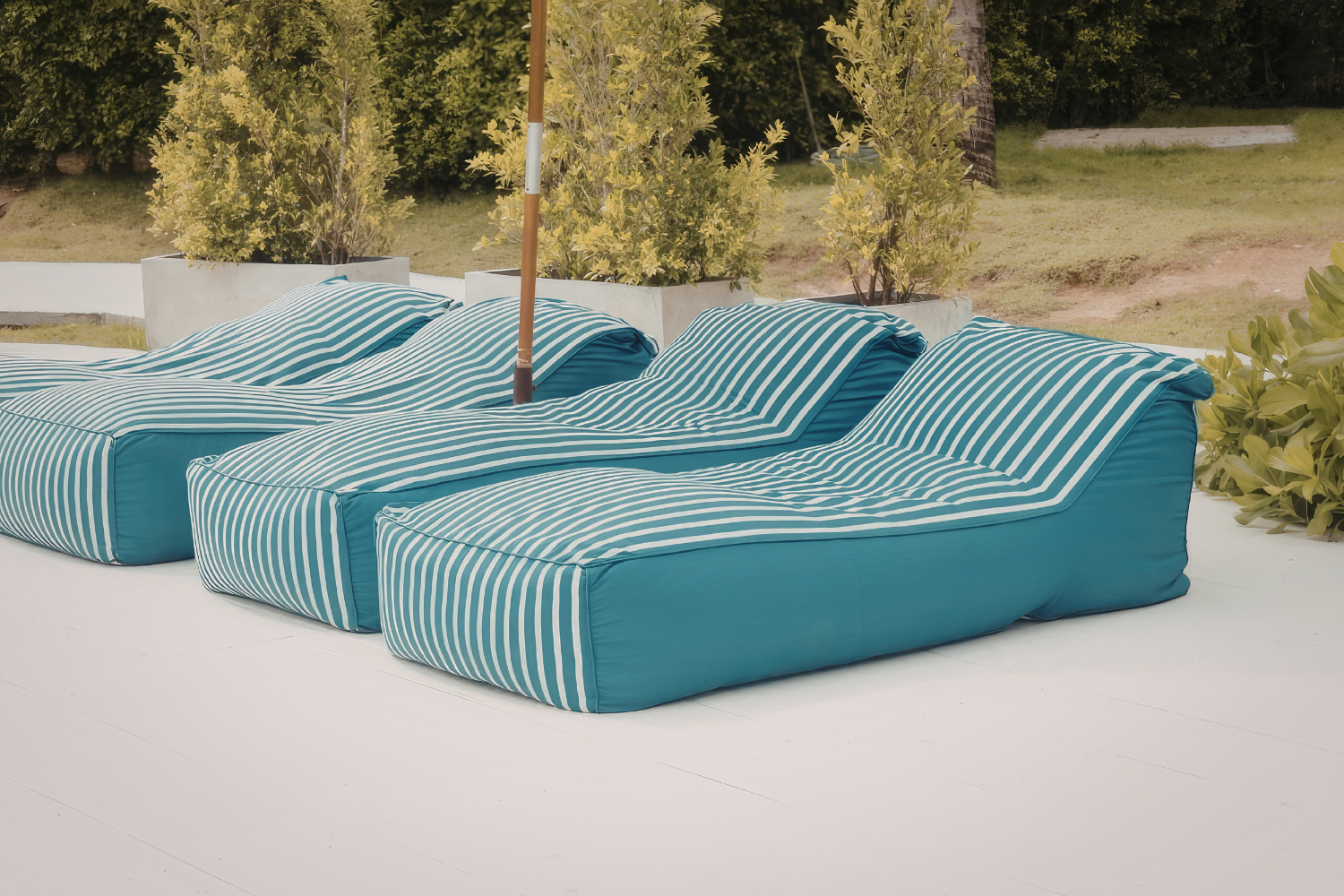
Covers, storage, and seasonal care help outdoor spaces remain beautiful beyond the season
Source unknown
The Finishing Touch
The most compelling outdoor spaces do not feel like an addition. They feel like a continuation.
When layout, materials, and atmosphere align, the transition between indoors and out becomes seamless. Light filters softly, textures layer naturally, and movement through the space feels intuitive.
Outdoor living, when thoughtfully designed, becomes less about the setting and more about the experience it creates.
Ready to Elevate Your Home Beyond the Interior?
Designing with intention ensures every part of your home, inside and out, feels cohesive, refined, and truly yours.
Schedule a Discovery Call to begin creating spaces that feel both elevated and enduring.