Spring Awakening: Bringing Nature Indoors with Florals, Botanicals & Greenery
As spring approaches, interiors often begin to feel ready for a shift. Not a dramatic transformation, but something lighter, more alive, and more connected to the world just beyond the windows.
One of the most timeless ways to refresh a space this season is by introducing elements of nature indoors. Florals, greenery, and botanicals each offer something distinct, and when used thoughtfully, they bring balance rather than excess.
Understanding the Difference
While often grouped together, these elements play very different roles within a space.
Florals introduce bloom. They bring softness, delicacy, and a sense of seasonality. A simple cluster of tulips or a few flowering branches can introduce warmth and quiet romance.
Greenery brings freshness. Leafy stems, olive branches, or ferns offer vitality and ease, adding life without visual heaviness.
Botanicals provide structure. Sculptural branches, moss, seed pods, or dried leaves ground a space through texture and form rather than softness.
Together, they create balance.
Florals soften. Greenery refreshes. Botanicals anchor.
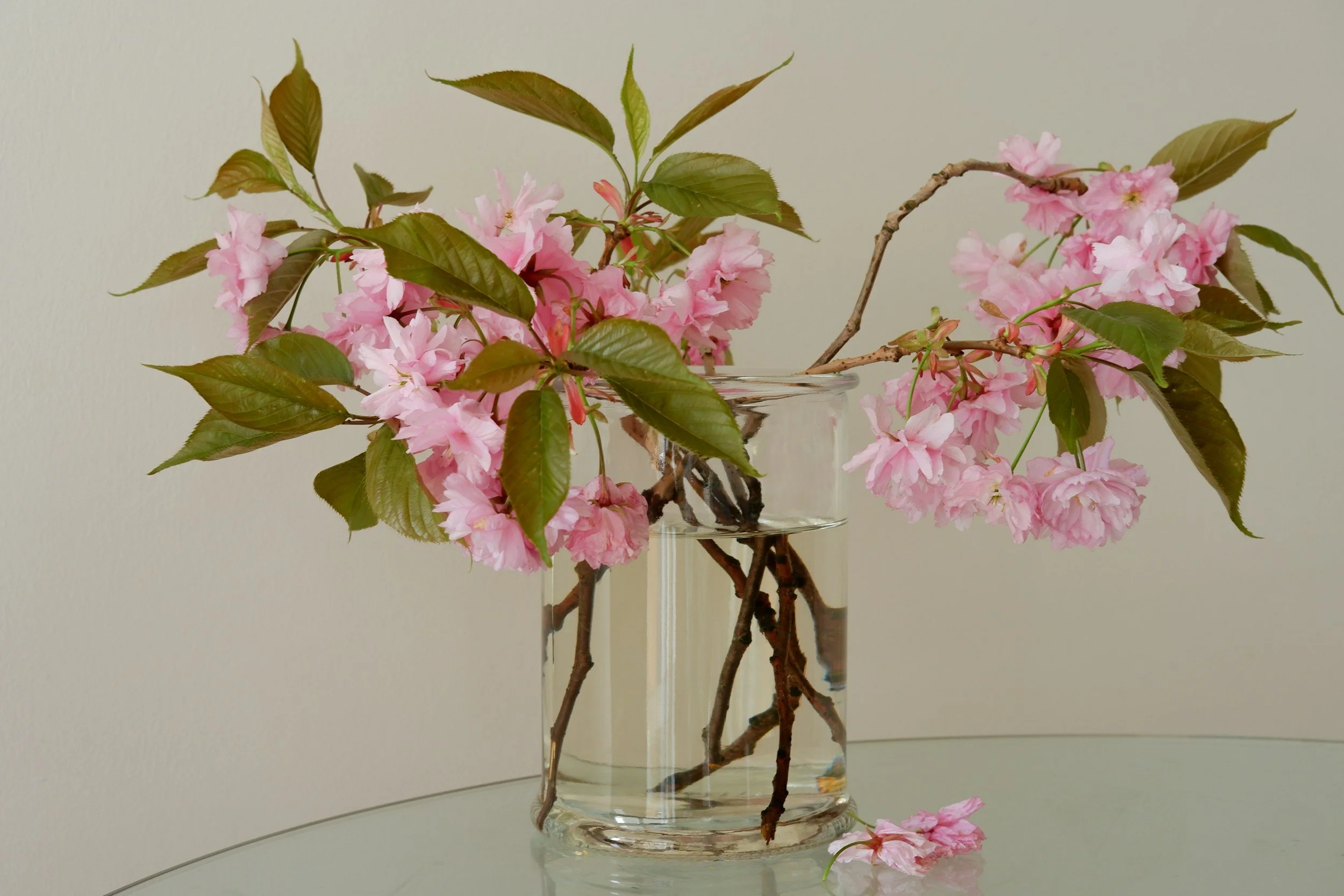
Florals bring life through softness and seasonality
Image source unknown
Designing First, Styling Second
It is important to remember that natural elements should never become the foundation of a room’s design.
Florals, in particular, are accents. Because they are living, they introduce life, movement, and seasonality. However, the room itself should stand on its own with or without them.
A well-designed space does not depend on a vase of flowers to feel complete. Instead, florals enhance what is already present. They bring energy to a composition that is already strong.
Nature supports the design rather than defining it.
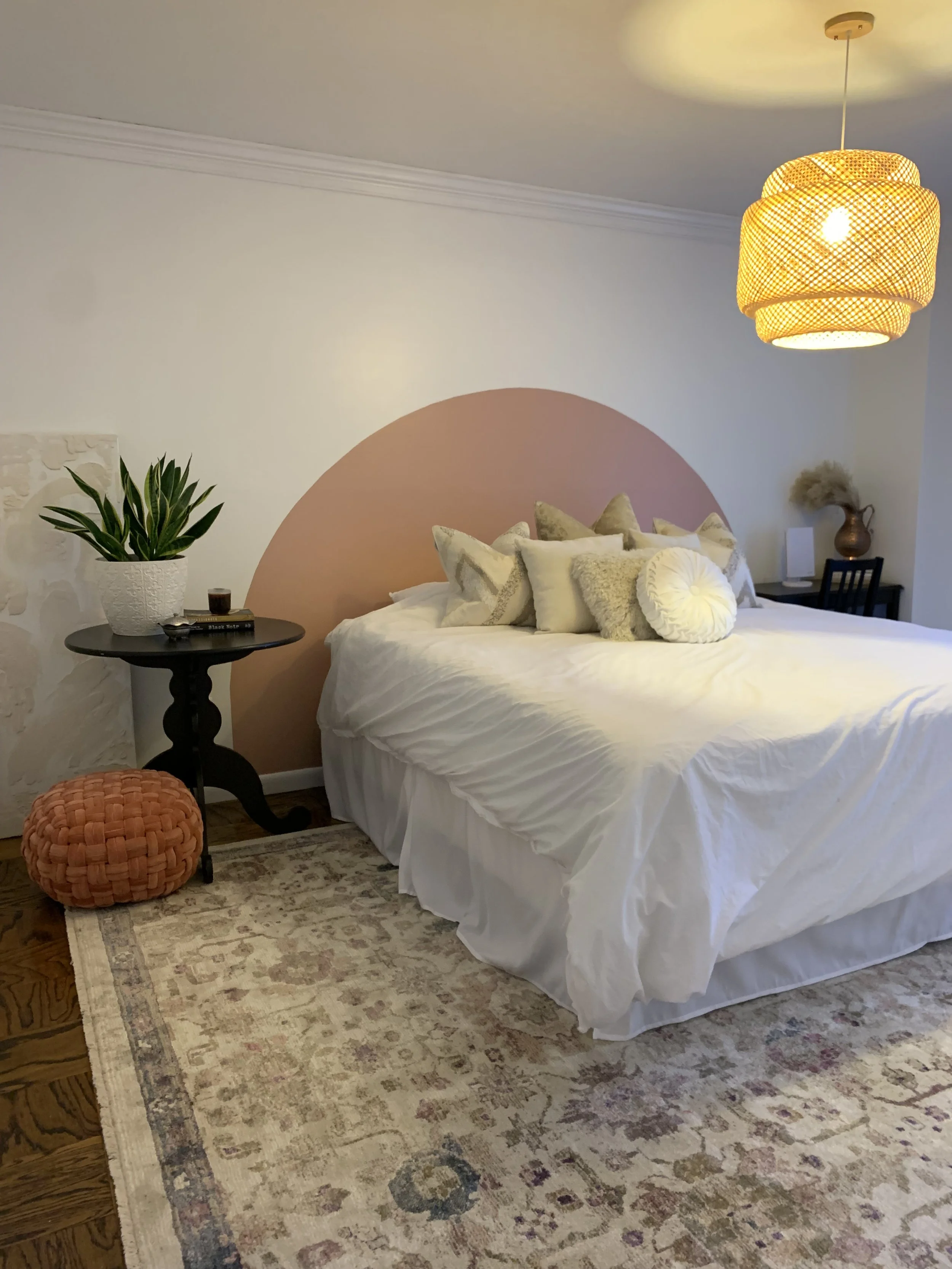
Design comes first
Nature follows
Bedroom by House of Shima
Choosing What Your Space Needs
Rather than using all three elements at once, consider what the room is asking for.
A space that feels overly structured may benefit from the softness of florals.
A room that feels still may come alive with greenery.
An area that lacks depth may be strengthened by the quiet architecture of botanicals.
Spring styling becomes less about decoration and more about responding to the atmosphere of the space.
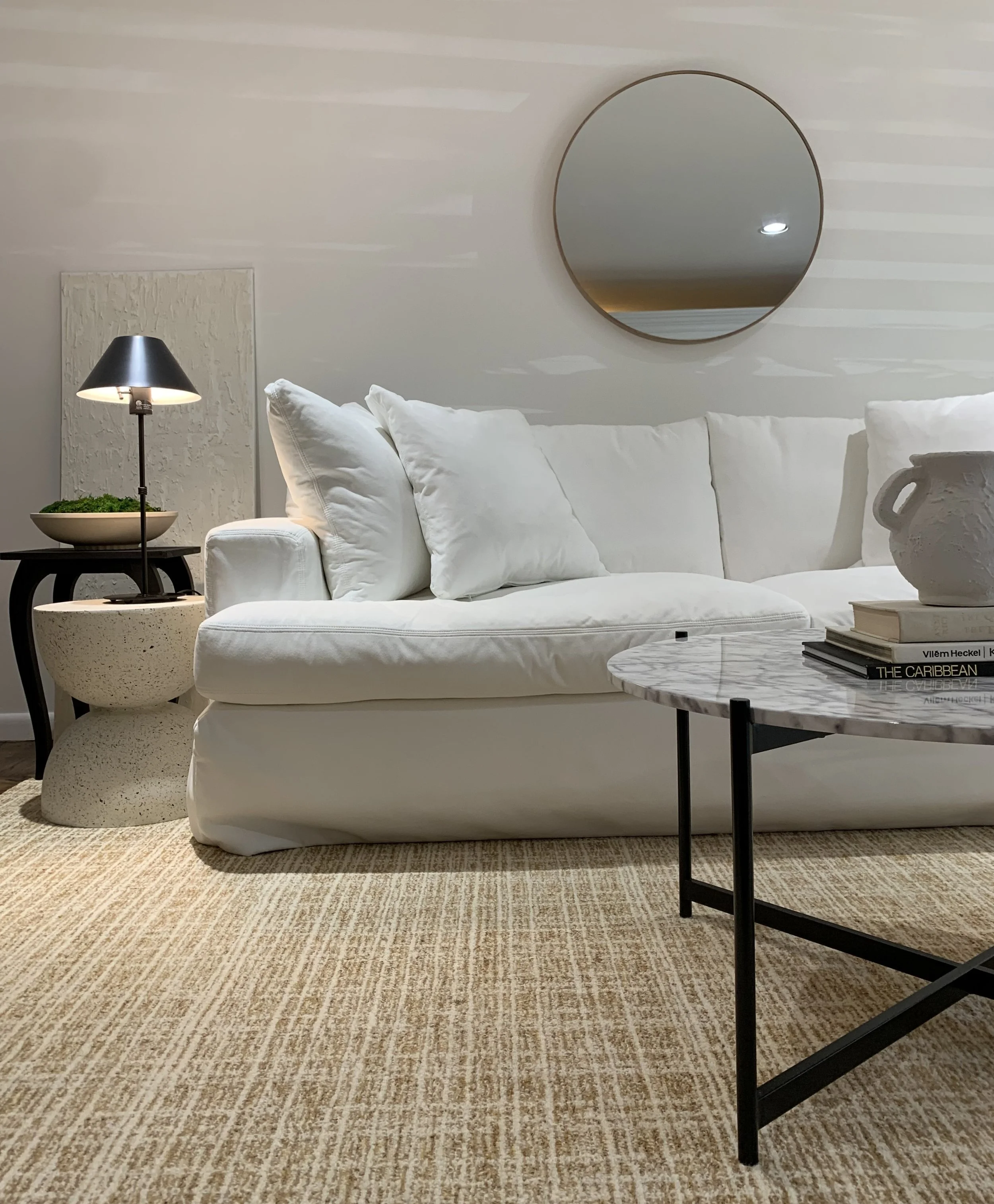
Structural moss compliments the space through texture and form
Family room design by House of Shima
Placement with Intention
Natural elements are most effective when placed where they can be experienced throughout the day.
A floral arrangement on a dining table introduces warmth during gatherings.
A touch of greenery on a kitchen island adds freshness to daily routines.
A botanical branch on a console creates a sculptural moment that evolves with light and shadow.
These additions do not overwhelm. Instead, they gently support the overall composition of the home.
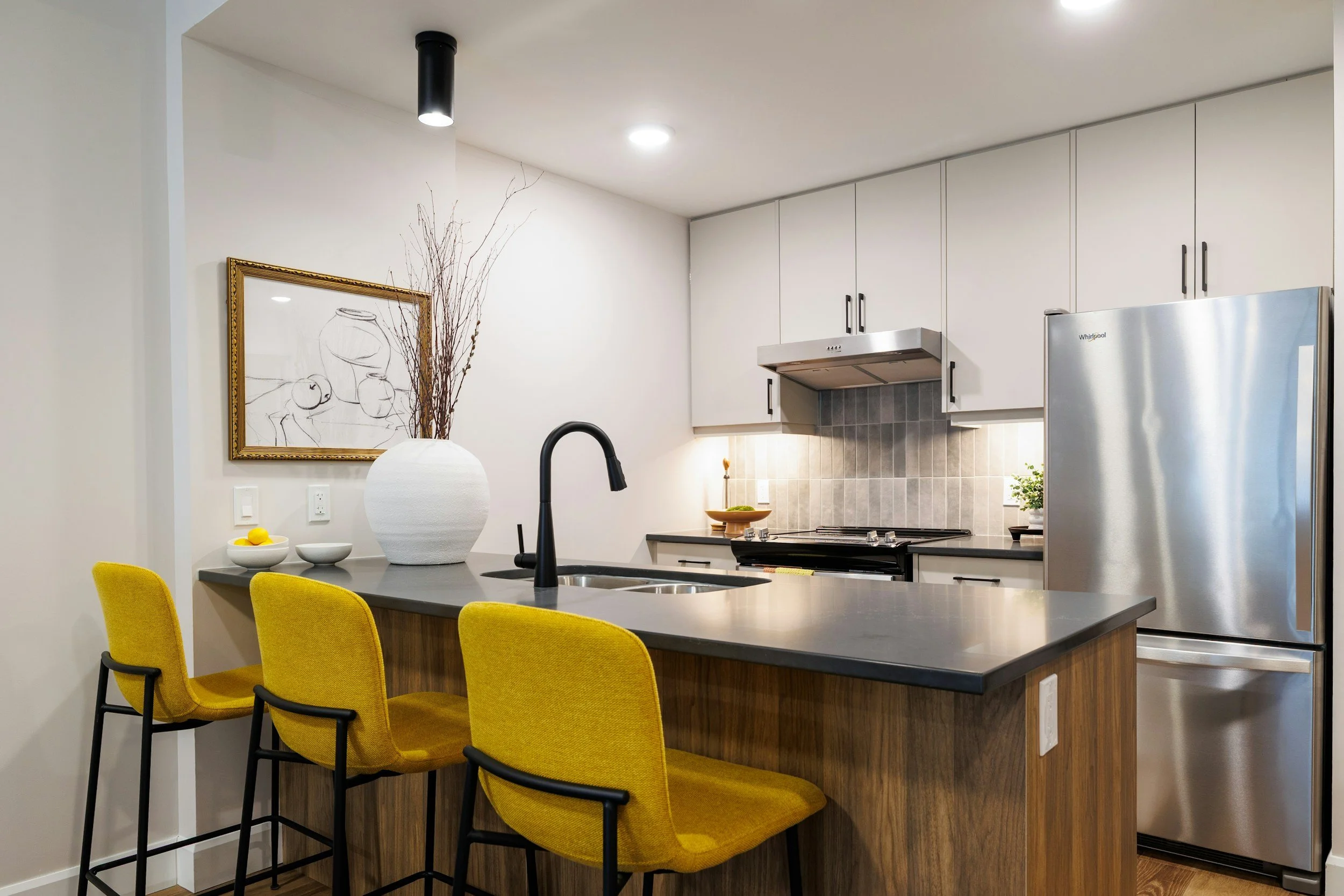
Botanical branches introduce height and sculptural presence
Image source unknown
A Balanced Approach to Renewal
Spring does not require abundance to feel present indoors.
A single bloom, a gathered stem, or a quiet branch can introduce movement, texture, and calm. When florals, greenery, and botanicals are used with intention, they enhance interiors in ways that feel natural rather than styled.
If you are looking to thoughtfully refresh your home this season, schedule a discovery call to explore how natural elements can be integrated in a way that feels refined, balanced, and true to your space.