What’s Ahead in 2026: Interior Design Forecast
Interior design in 2026 is moving away from formulaic spaces and toward homes that feel expressive, layered, and deeply personal. After years of visual uniformity, there is a growing desire for interiors that reflect individuality rather than trends.
This shift is not about excess or shock value. It is about intention. Homes are being designed to tell stories, honor lifestyle, and feel authentic to the people who live in them.
The Shift Toward Personalization
Before exploring the key directions shaping 2026, it helps to understand what is driving this change. In a recent Washington Post piece that included my perspective, a clear theme emerged around a growing pushback against overly standardized interiors. At its core, this shift reflects a renewed openness to personal expression.
This renewed emphasis on personalization reflects a broader cultural change. People are spending more time in their homes and are prioritizing comfort, memory, and emotional connection over resale formulas or social media appeal.
Design is becoming more identity-driven and less trend-driven.
Color Used With Purpose
The first major shift shaping interiors in 2026 is a more confident, intentional use of color. While neutrals remain important, they are no longer the default foundation for every space.
In 2026, expect to see:
Rich, saturated hues grounded in nature
Warm whites layered with contrast
Color applied to cabinetry, ceilings, and architectural details
Color is being chosen for how it feels, not just how it looks. These decisions create rooms that feel grounded, expressive, and personal.
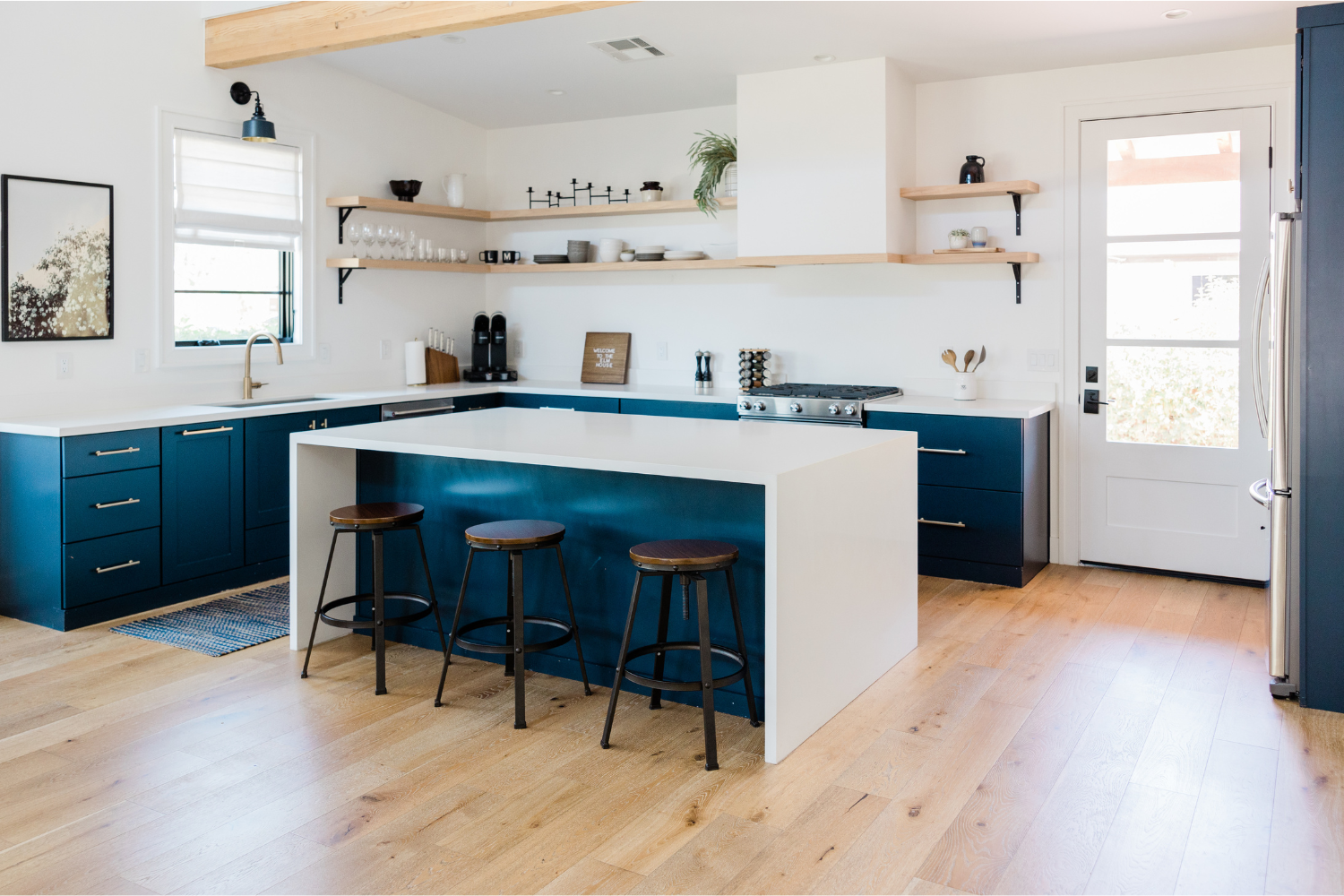
Rich, deep blue cabinetry grounds this kitchen design (source unknown)
Layering Over Matching
Layering is emerging as a defining design direction for 2026, replacing perfectly coordinated interiors with spaces that feel collected and lived in. Mixing eras, materials, and finishes adds depth and character that cannot be achieved through matching sets.
Layering allows a home to evolve over time. It creates visual interest while reflecting the owner’s history and taste. In 2026, design feels more thoughtful when it looks assembled rather than installed all at once.
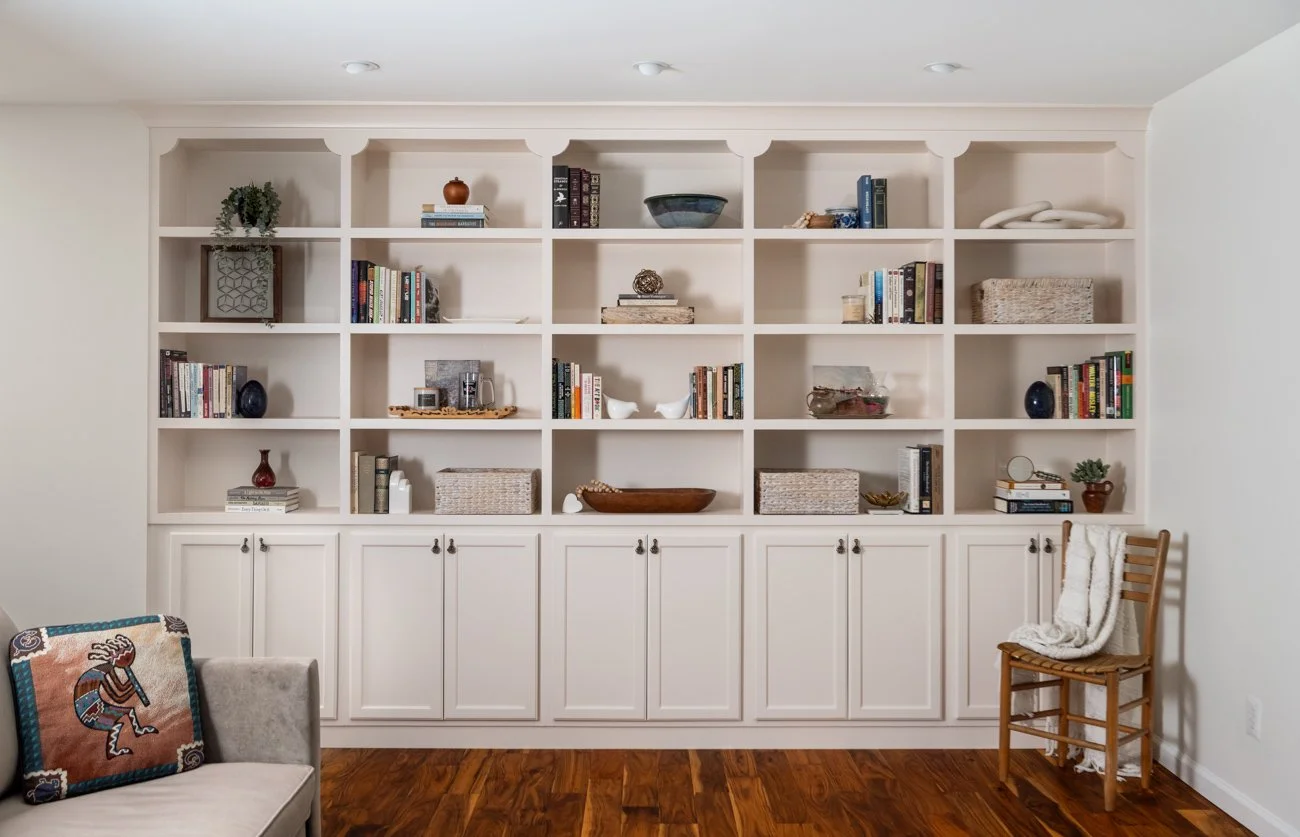
Variation in material, scale, and texture
Design & styling by House of Shima
General contractor FGS Construction
Tony Ventouris Photography
Comfort as a Design Standard
Comfort is emerging as a core design value in 2026, no longer secondary to aesthetics but foundational to how spaces are planned and used. Furniture is softer, seating is deeper, and layouts are designed around real daily use. There is also a renewed appreciation for defined spaces that feel cozy and intentional. Rather than maximizing openness, clients are prioritizing rooms that support how they live, gather, and unwind.
A well-designed home should invite you to stay.
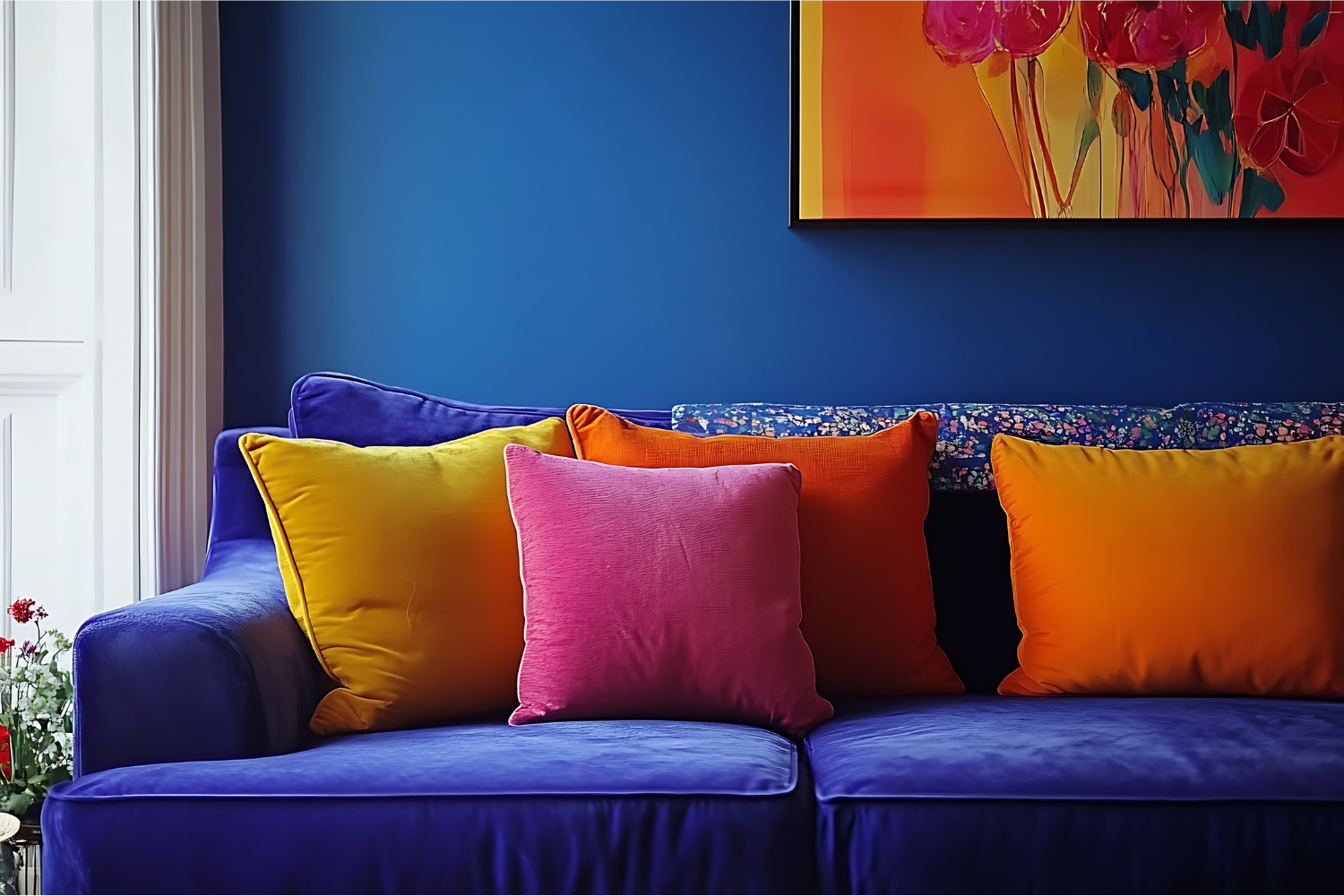
Where softness, scale, and jewel tone color support daily life (source unknown)
Rethinking What Timeless Means
As design becomes more personal in 2026, the idea of timelessness is expanding beyond neutral palettes and cautious choices. Timeless design is often misunderstood as neutral or safe. In reality, timeless spaces are defined by quality, proportion, and intention.
In 2026, homeowners are becoming more confident in making expressive choices they will love long term. Personalization done thoughtfully does not diminish value. It strengthens it.
A home designed with care and clarity will always outlast a trend.
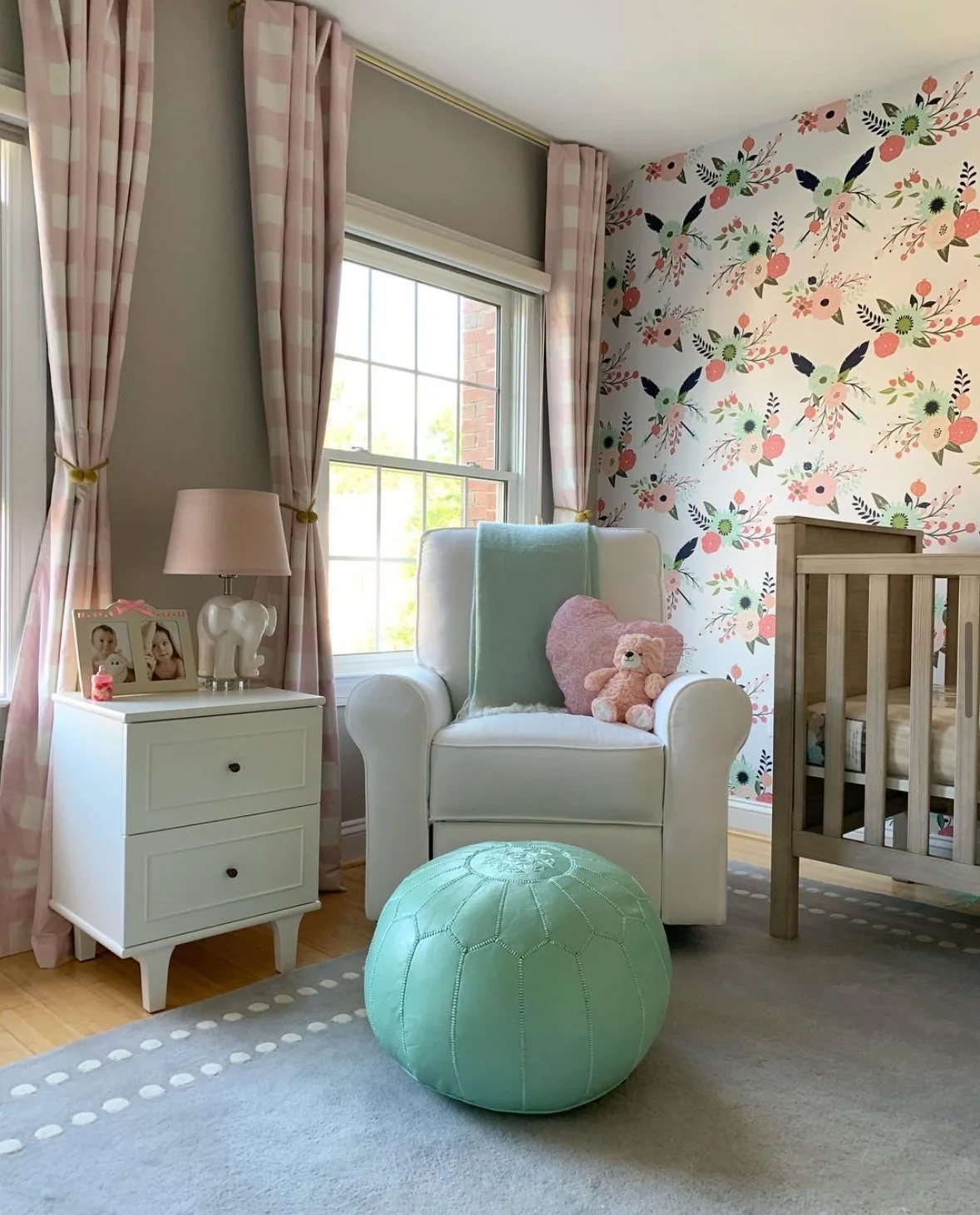
Where personality and longevity coexist
Nursery design by House of Shima
Designing for Living, Not Just Viewing
As people spend more time at home and place greater value on authentic experiences over curated aesthetics, design conversations are increasingly centered on lived experience rather than visual performance. Clients are asking better questions about longevity, comfort, and emotional resonance.
The most compelling homes today are not designed for an algorithm. They are designed for the people who live inside them.
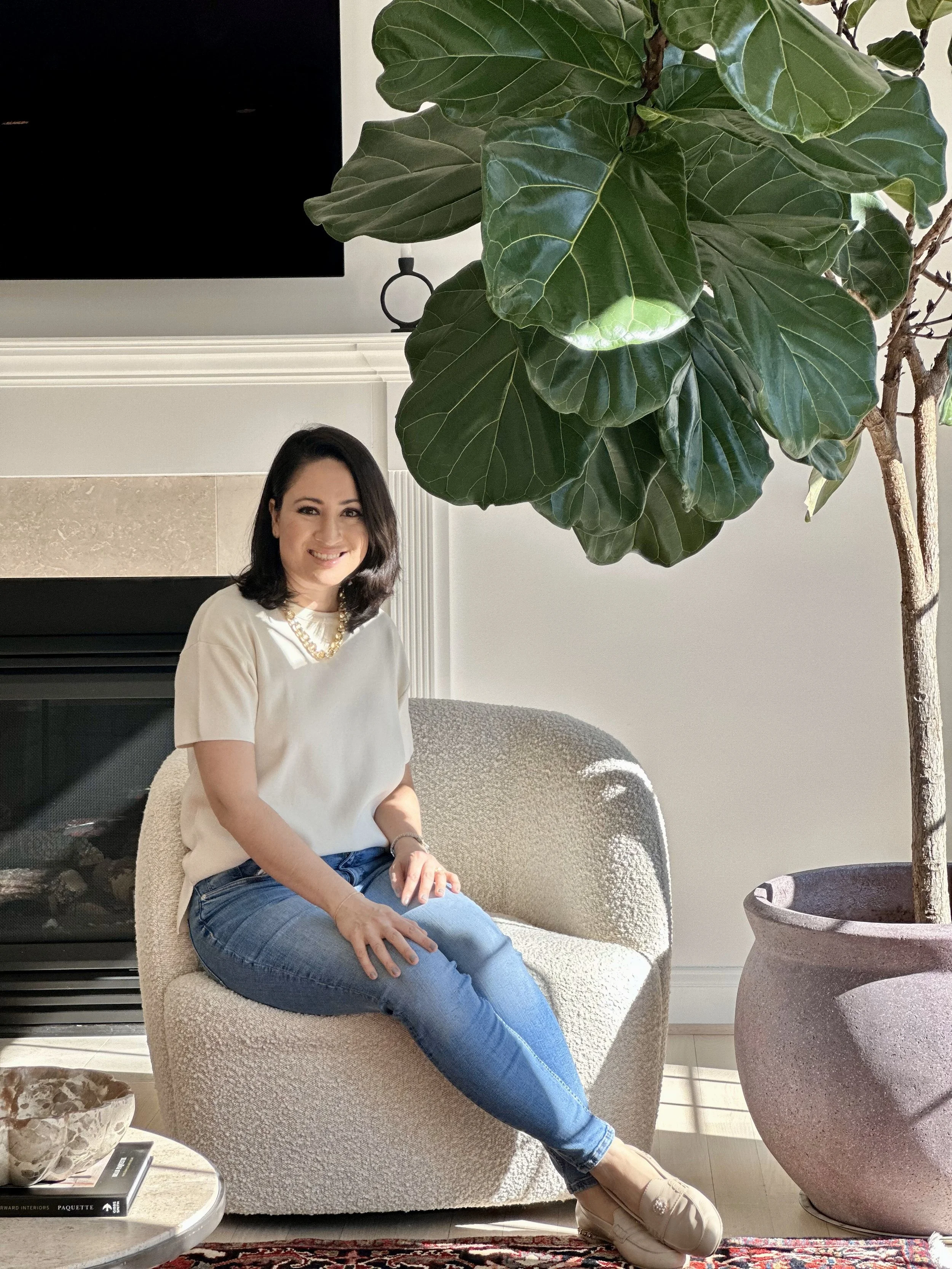
Living inside the spaces we design at House of Shima
Looking Ahead
The design forecast for 2026 is not about extremes. It is about honesty.
Homes are becoming more personal, more comfortable, and more reflective of real lives. As designers, our role is shifting toward helping clients trust their instincts and create spaces that feel meaningful.
The future of design belongs to homes that could not belong to anyone else.
Schedule a Discovery Call to explore what the next chapter of your home could look like.